E‑invoicing is often talked about as a future HMRC requirement. In reality, it is already becoming a planning issue for many UK SMEs. The government has confirmed that VAT invoices will need to be issued as e‑invoices from April 2029, but the detailed standards and roadmap are still being developed. This creates a window of opportunity: time to prepare sensibly without rushing into the wrong systems or making unnecessary changes too early.
For most SMEs, getting ready for e‑invoicing is less about investing in new software and more about understanding how invoices actually flow through the business. That means looking at where data is created, where errors creep in, how VAT is applied, how invoices are approved, and how long it takes to get paid. Many businesses already use digital invoicing in some form, but sending a PDF by email is not the same as structured e‑invoicing, which requires standardised, machine‑readable data.
Importantly, e‑invoicing is not just about compliance. It is closely linked to core operational issues such as cash flow, administrative workload, error rates, disputes, approval delays and fraud risk. Late payment remains a major challenge for SMEs, and more structured, accurate invoicing processes can help reduce unnecessary friction that slows payments down.
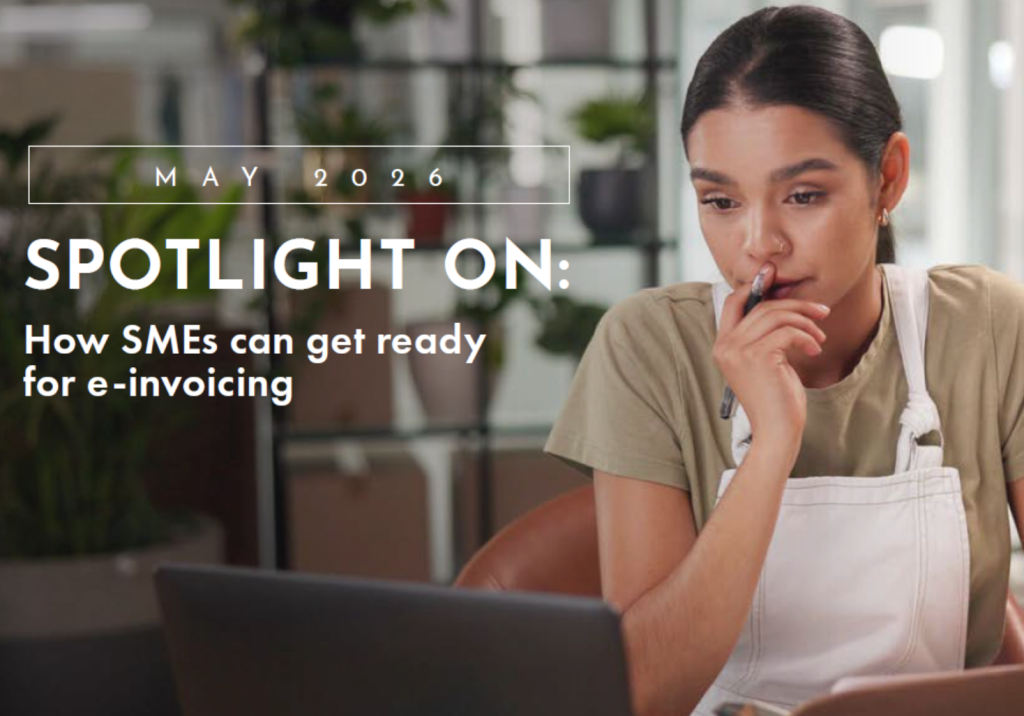
To support businesses, we have produced a practical guide for SMEs that explains what e‑invoicing actually means (and what it doesn’t), why waiting until 2029 could be a mistake, and the realistic steps businesses can take now without over‑engineering their approach. Follow this link to access the report: https://www.cklg.co.uk/wp-content/uploads/2026/05/May-26-How-SMEs-can-get-ready-for-einvoicing.pdf
Your questions answered
What is e‑invoicing and how is it different from sending PDF invoices?
E‑invoicing is the structured, system‑to‑system exchange of invoice data, allowing automatic processing. Simply emailing a PDF still requires manual input and is not true e‑invoicing.
When will e‑invoicing become mandatory for UK businesses?
The UK government has said that all VAT invoices will need to be issued as e-invoices from April 2029.
Why should SMEs start preparing for e‑invoicing now rather than waiting until 2029?
Preparing early helps businesses improve efficiency, reduce errors, and strengthen processes, making the transition easier when the rules are finalised.
What practical steps can SMEs take to get ready for e‑invoicing?
SMEs should review their invoicing process, improve data quality, check VAT treatment, assess their current software capability, and engage with key customers and suppliers.